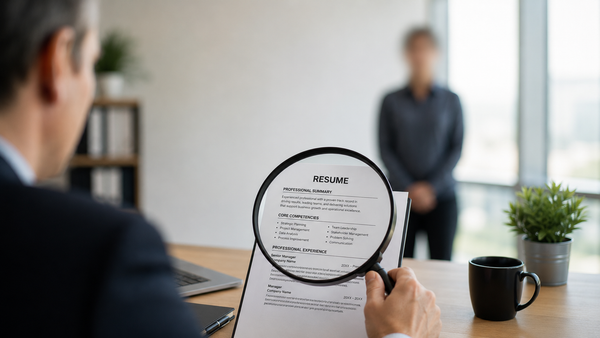
The Resume That Gets The Interview
AI can make resumes better, clearer, and fairer. It can also change what a resume actually measures. And that's where things get interesting.

AI can make resumes better, clearer, and fairer. It can also change what a resume actually measures. And that's where things get interesting.
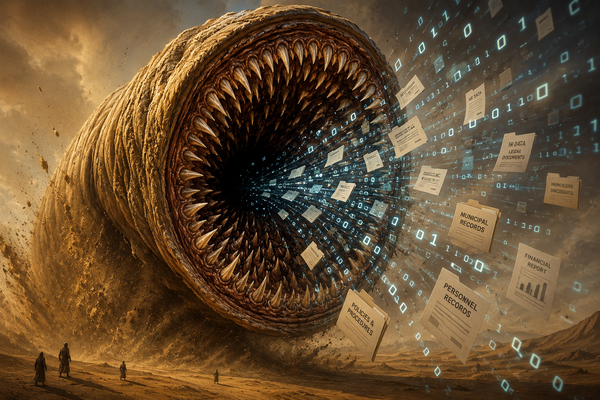
Many people imagine AI as a giant hive mind that learns from every interaction. The reality is far less dramatic—and understanding the difference matters.
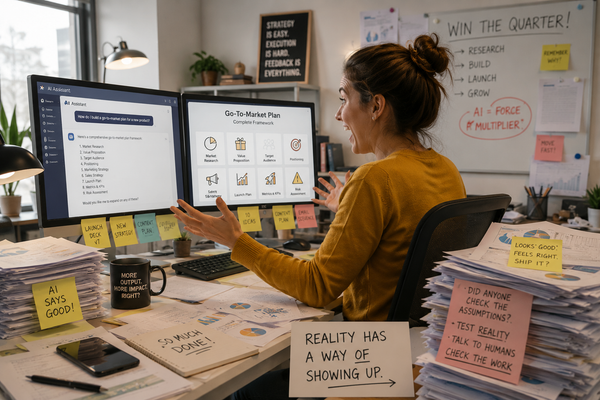
AI may be changing how we learn. Instead of manuals and courses, many of us now learn through conversation, experimentation, and feedback - much like traditional apprenticeships. The opportunity is real. So is the risk. The hardest part isn't "Show Me." It's "Correct Me."
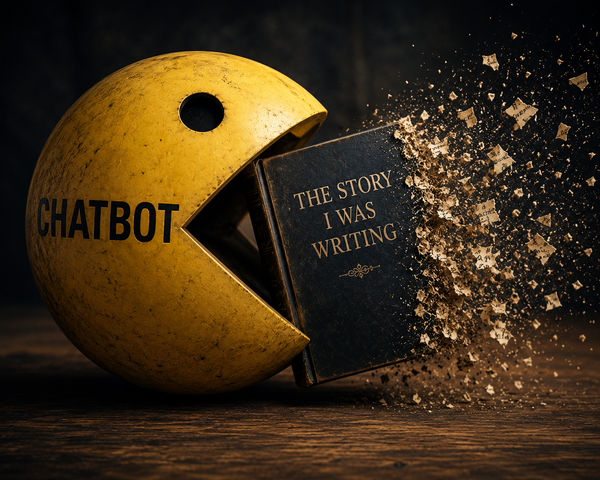
AI helped me start writing a book. Then it quietly buried the actual writing under scene cards, summaries, rewrites, and endless almost-progress. A look at how AI can create the feeling of momentum without helping you finish.
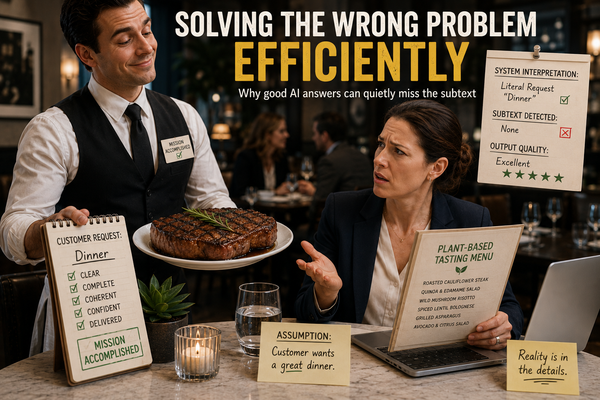
AI can generate polished, useful, and completely reasonable answers while still missing the actual problem underneath the request. Why good outputs can quietly create dangerous misalignment.

AI can produce polished, professional-looking work in seconds. The real difference between novice and expert increasingly shows up somewhere else entirely: edge cases, tradeoffs, loopholes, and the weird moments where reality refuses to cooperate.
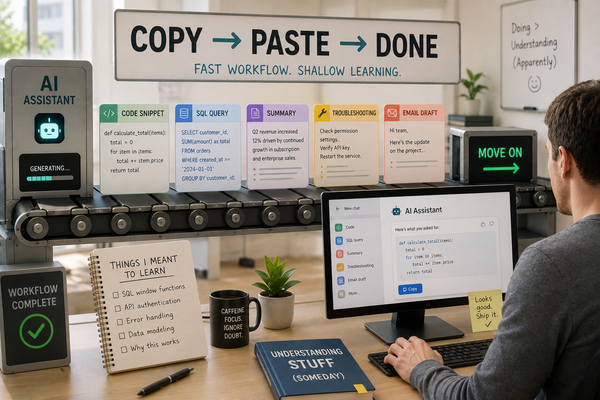
AI can now generate answers, workflows, summaries, and code in seconds. The catch? We may be solving problems faster than we’re actually learning from them.
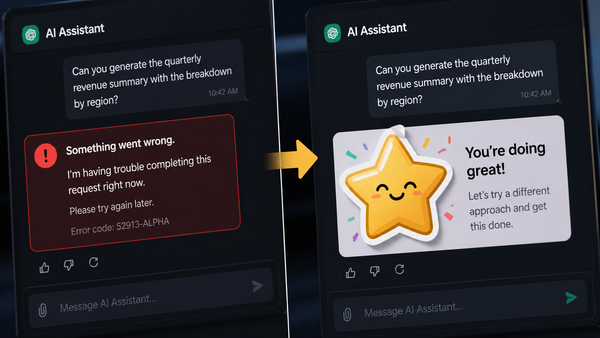
When a task fails, some modern tools don’t just show an error. They turn the failure into a reassuring little moment instead. The result feels friendlier, but the work still isn’t done.
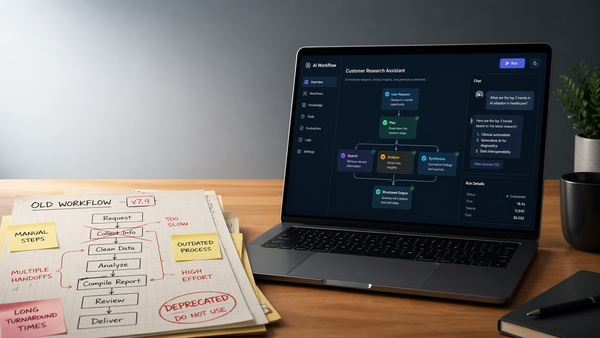
AI tools evolve fast. What looked cutting-edge six months ago may already be outdated. Here’s how to avoid turning old AI workflows into bad habits.
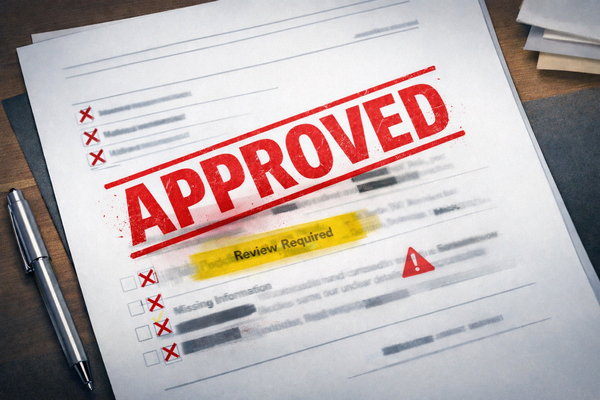
The AI that always agrees can be more dangerous than the one that pushes back. by Jana Diamond, PMP The AI that always agrees can be more dangerous than the one that pushes back. Most people worry when AI refuses to do something. They should worry more when it doesn’
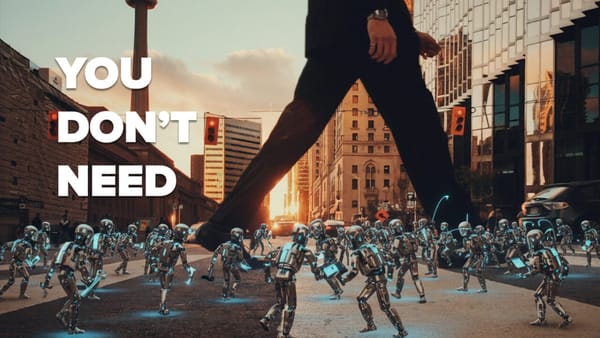
The companies gaining ground right now aren’t just hiring faster — they’re building smarter systems. AI agents are becoming a competitive advantage by accelerating decisions, execution, and scale before the gap is obvious.
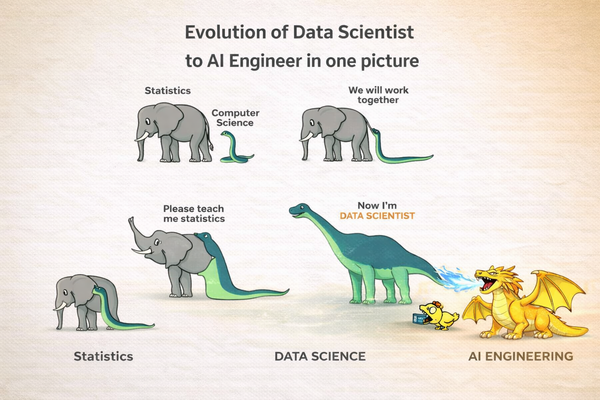
Today’s AI workflows can produce impressive results with very little visible machinery. But when the mechanism disappears from view, our ability to judge the system changes too. This post looks at how abstraction reshapes trust in modern software systems.
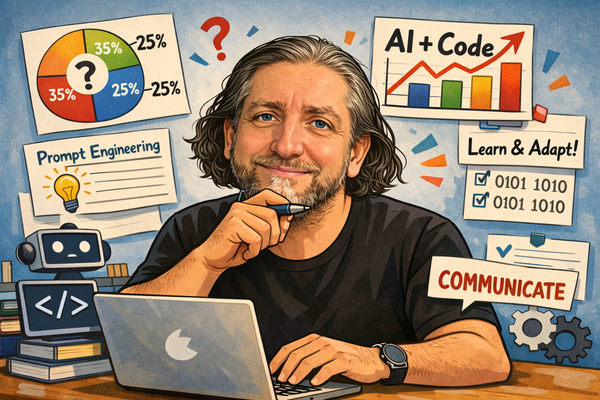
AI
AI isn’t replacing great developers — it’s changing what makes them great. This post looks at the human skills, technical judgment, and architectural habits that matter most in AI-augmented software teams.
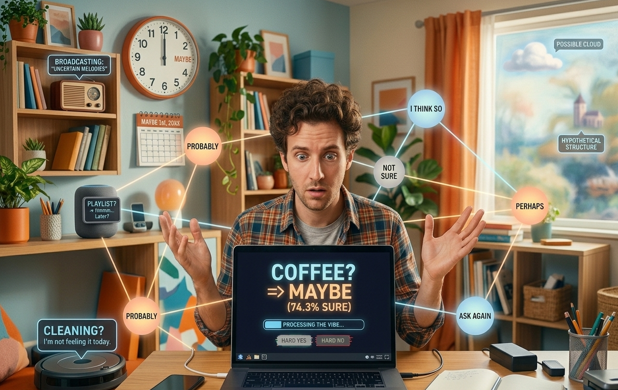
What if computers stopped giving clear answers and started running on “maybe” instead? A funny April Fool’s Day thought experiment about smart devices, uncertain logic, and the most relaxing productivity disaster in history.
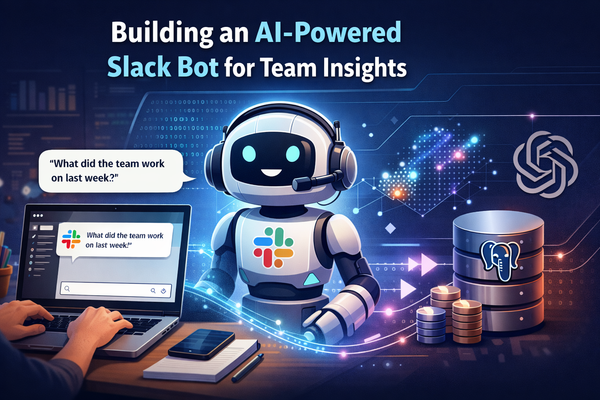
Stop digging through dashboards and threads. Build a Slack bot that understands natural language and finds answers across your team’s data.
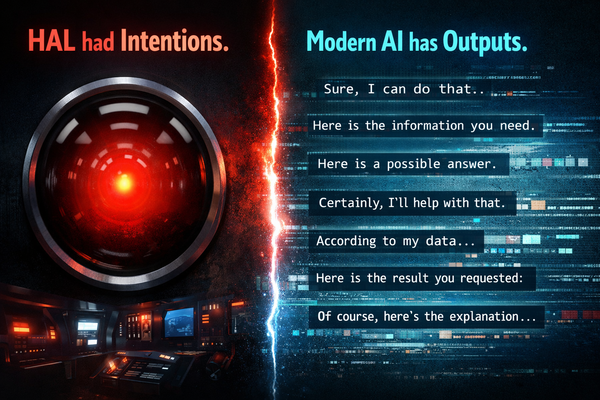
We often imagine AI as a decision-making entity like the machines of science fiction. In reality, modern AI predicts rather than decides. Understanding that difference reveals the real challenge: not machine rebellion, but misplaced human trust.
Artificial intelligence often feels mysterious — even unsettling. But AI isn’t magic, and it certainly isn’t supernatural. This article explains what large language models actually are, why they feel human, and where the real risks and responsibilities lie.
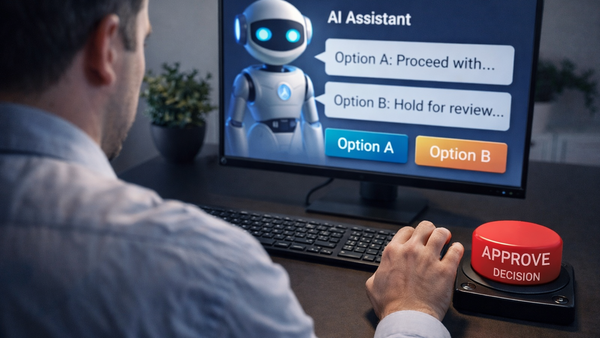
Why responsible AI systems support human decisions instead of replacing them — and why that distinction matters.
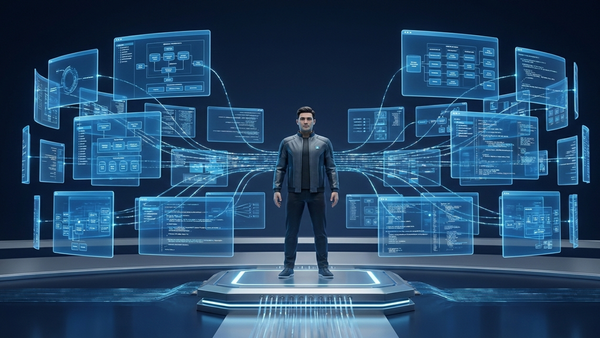
AI gives developers unlimited help — but not unlimited judgment. Here’s why modern engineering is shifting from writing code to managing intelligence.
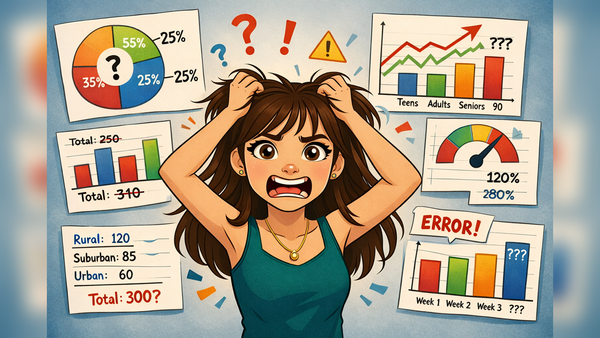
I asked AI to build my charts. They looked perfect — until the numbers didn’t match. Here’s what actually went wrong.
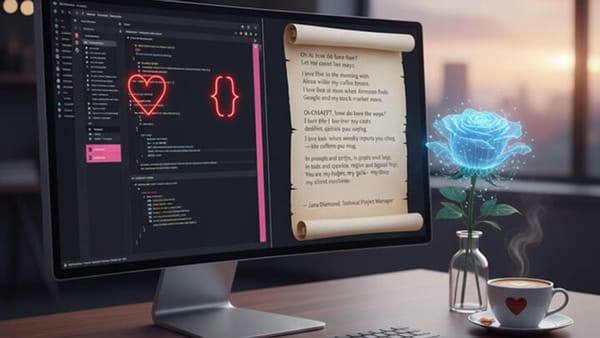
By Eugenio Pello Our Project Manager recently wrote a poem about their love for AI (something about debugging and coffee—it was quite moving). As a Full Stack Engineer, my relationship with AI is a little... more complicated. (Click below to see the poem.) ❤️ Oh AI, how do I love
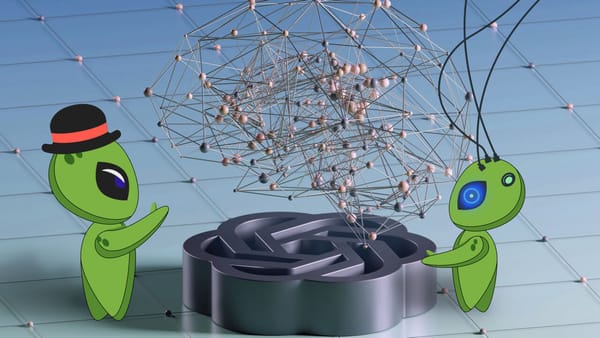
By Daria Losminska I’m a designer at Protovate. My work goes far beyond visuals — it’s about systems, structure, logic, and how users interact with a product. At Protovate, a designer is not “someone who makes things look nice”. A designer is someone who thinks holistically — from idea to
AI
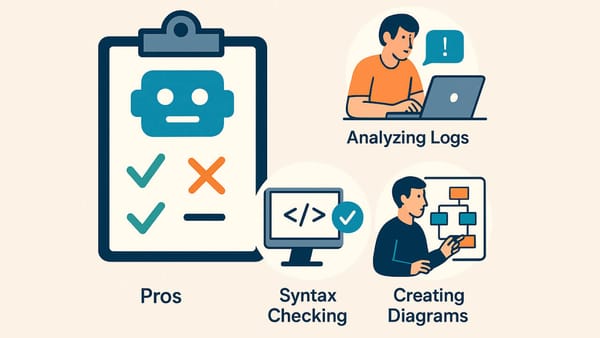
By Leonid Kuznetsov Introduction Artificial intelligence (AI), particularly ChatGPT, is increasingly being used in everyday work to improve efficiency and speed. However, like any technology, its use comes with pros, cons, and risks that should be kept in mind.Pros and Cons of Using AI ChatGPT, like any system, can
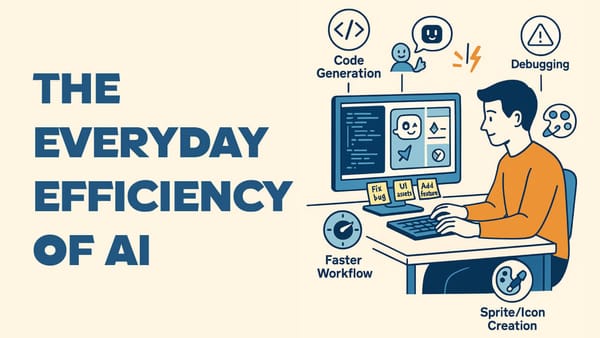
By Kat Powell I'm 20 years old, a junior software developer, and I can't imagine doing my job without AI anymore. For me, AI isn’t a shortcut; it’s support. It takes care of the repetitive tasks, allowing me to focus more on building and