Adobe Without Adobe: Can AI Recreate Any Software?

by Brian Pollack
It's all over the news: no more Adobe licenses needed. This is much bigger news than "Claude, make me ph0tosh0p." The truth is wild and the repercussions will be extensive.
When Expensive Software Is No Longer Irreplaceable
The claim is simple: open source has free versions of everything, and AI has rebuilt expensive applications like Photoshop so effectively and so fast that soon we won't need to pay Adobe. Soon we'll have our own Minecraft or office tools. One developer just released seven free Adobe replacements built with Claude. They're still early, but bottom line, it's way closer to reality than I would have ever expected.
For the past few years, many people have been building their own version of something with Claude, OpenAI's Codex, Z.ai and other tools. That's how the Adobe clones were made: by the project's own rules, from public documentation and watching how the apps behave. For small businesses, individuals, and even small internal teams, this can be game-changing.
Reverse Engineer Anything: AI Learns to Look Inside Products
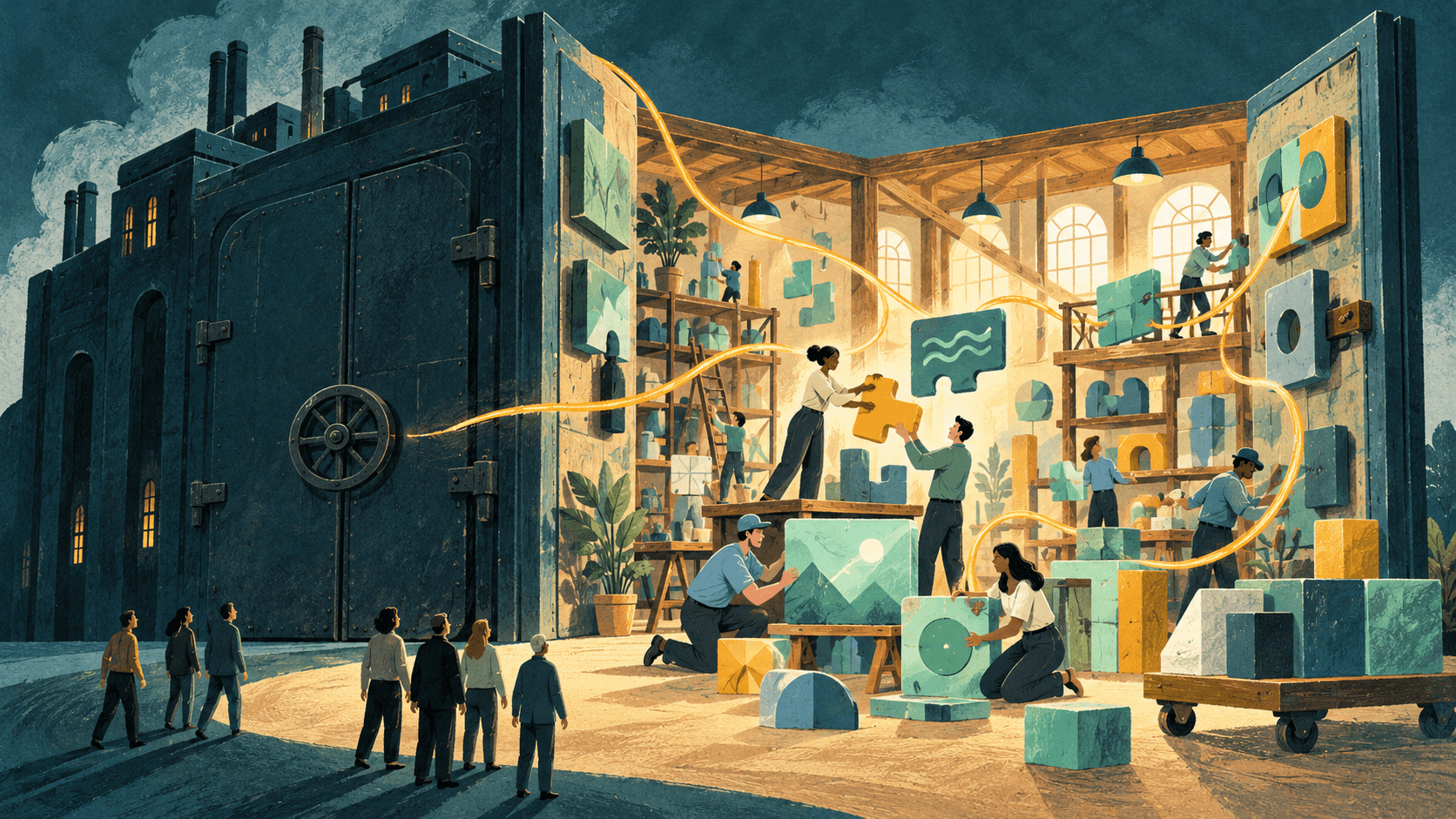
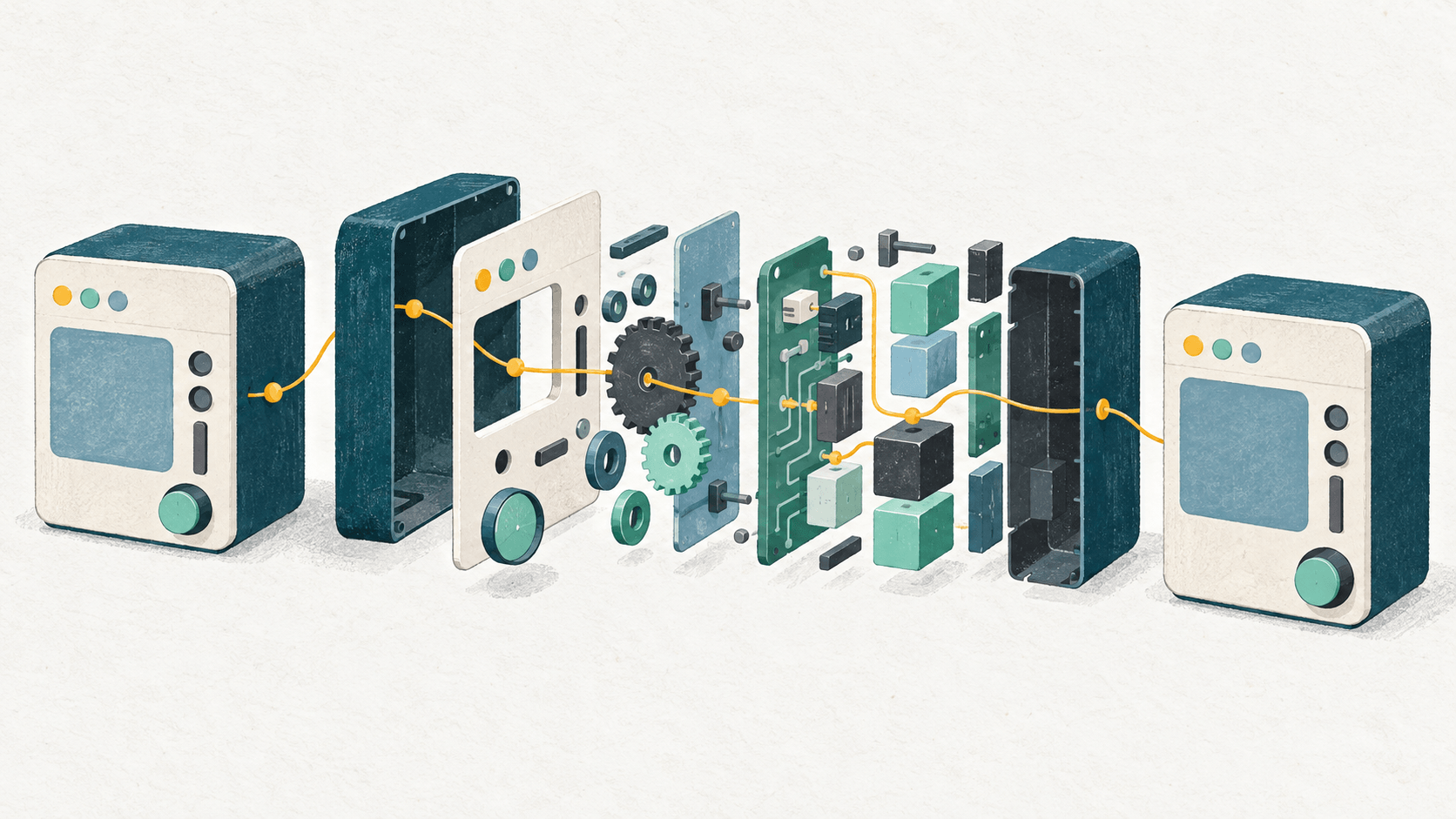
Now we have entered the AI REA era. REA is a free tool on GitHub called Reverse Engineer Anything. What it does is not new. Hackers, security professionals, and others have been using sophisticated decompilers for years, but they are very difficult to use. REA lets an AI agent run them for you.
In non-technical terms, imagine something like Coca-Cola or Dr Pepper. For as long as I can remember there have been "dupes" of these products. Companies would hire scientists, chemists, and industry experts with years of training in an attempt to re-create the formula. They have always used highly complicated tools like mass spectrometers to peek into the chemical makeup. Now imagine a tool comes along that lets AI automatically run all those tools and quickly come back with a nearly exact recipe. It may not come back with the exact ingredients, mixing methods, and science that Coca-Cola used, but it comes back with a set of ingredients and a process that is different and still ends up tasting the same.
That's legal because nobody touched the secret recipe. Trade secret law has long treated working backward from a product you bought as fair play.
The Technology Is Here. But Is It Legal?
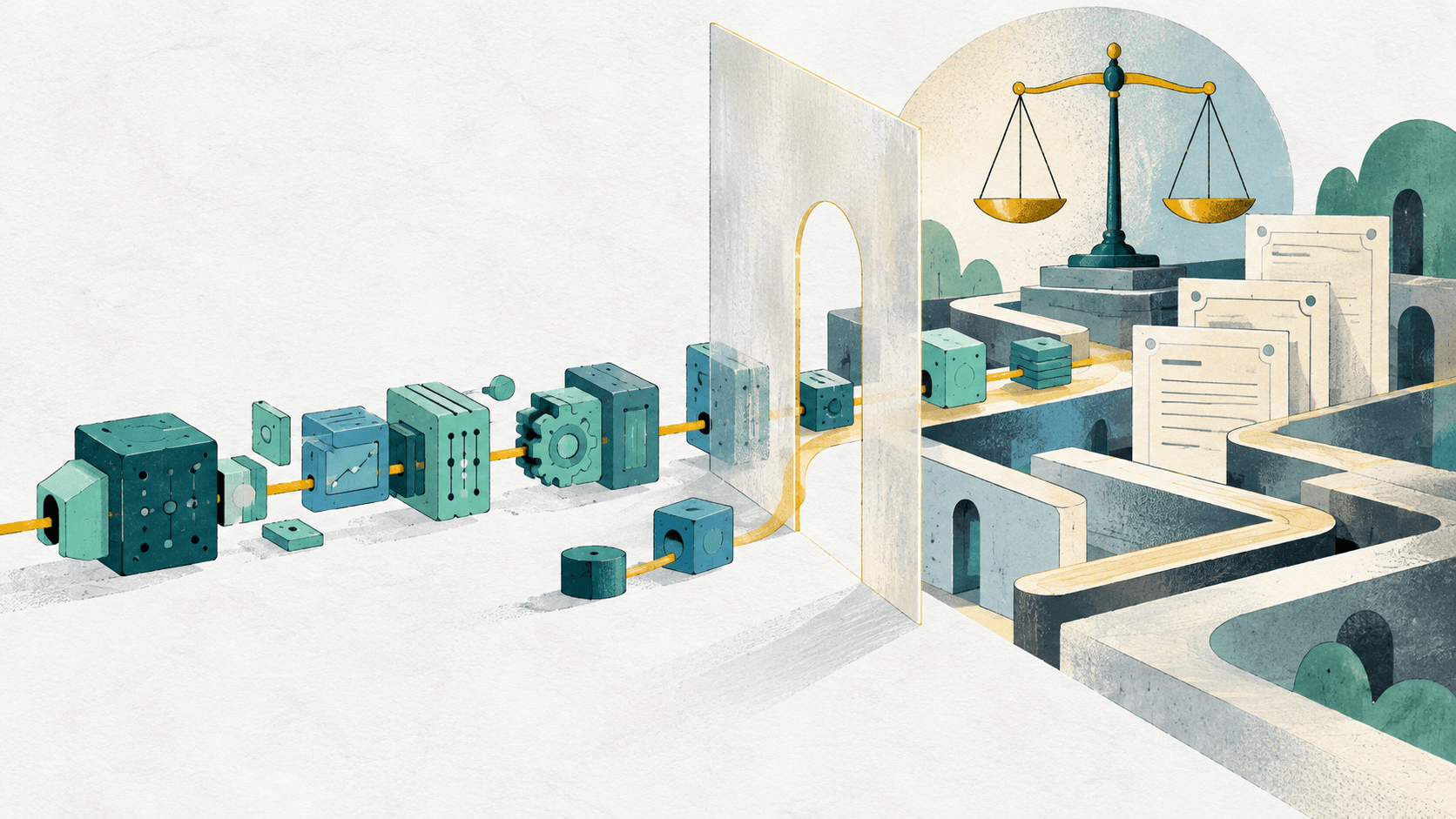
This is where we are now. AI does not need to start from scratch. It can literally peer into an existing product and come up with code that produces the same result, matches the same look, and provides the same experience. Is that legal for software? It's murkier. Courts have called reverse engineering for compatibility fair use, but software licenses usually forbid it (Adobe's included), and no court has ruled on AI doing it yet. Only time will tell.
One thing is for sure: it isn't perfect, but it's pretty darn amazing already and only going to get better. What impact will this have on software companies, developers, and innovation? You tell me.
Have questions about how AI-built software, open-source alternatives, or reverse engineering could affect your product or business? Schedule a call with me. I’m always happy to share what I’ve learned and explore whether building, buying, or adapting a solution makes the most sense for your situation.
Originally published on Protovate.AI
Protovate builds practical AI-powered software for complex, real-world environments. Led by Brian Pollack and a global team with more than 30 years of experience, Protovate helps organizations innovate responsibly, improve efficiency, and turn emerging technology into solutions that deliver measurable impact.
Over the decades, the Protovate team has worked with organizations including NASA, Johnson & Johnson, Microsoft, Walmart, Covidien, Singtel, LG, Yahoo, and Lowe’s.
About the Author